- Hải sản mê kông - biển hồ
- Tranphucloc1991@gmail.com
- 0931 159 015
Cultural factors shaping attitudes toward gambling around the world
Throughout history, gambling has been intertwined with cultural practices, rituals, and social norms. In many societies, games of chance were not merely forms of entertainment but also significant cultural events that fostered community bonding. For example, in ancient China, gambling was often associated with festivals and celebrations, integrating it into the fabric of social life. These historical contexts have shaped modern attitudes, influencing how societies perceive gambling today. When exploring this topic, you can find more information at https://www.hoakaleifoundation.org/.
Conversely, in cultures where gambling has been viewed negatively, it has often been associated with moral decline and social issues. This has led to stringent regulations and a stigma surrounding gambling. In such societies, traditional views can inhibit participation, often portraying gambling as an activity reserved for the irresponsible or those with poor financial management skills.
Religion plays a crucial role in shaping attitudes toward gambling in various cultures. In many Western societies, Christian teachings often discourage gambling, viewing it as a temptation that can lead to greed and moral corruption. This perspective fosters a cultural environment where gambling is seen as sinful, influencing both public opinion and legislative measures related to gambling activities.
In contrast, some Eastern philosophies, such as Buddhism, adopt a more neutral stance toward gambling, where it is neither explicitly condoned nor condemned. This variance in religious views highlights how deeply entrenched beliefs can shape societal norms and attitudes, leading to differing levels of acceptance and participation in gambling across cultures.
The economic landscape of a country greatly influences attitudes towards gambling. In regions where economies struggle, gambling may be perceived as a potential escape or an opportunity for financial improvement. This perception can create a more favorable attitude toward gambling as a means of achieving financial gain, regardless of the risks involved. This is particularly evident in communities that see gaming as a vital component of their economic survival.
On the other hand, affluent societies often exhibit more leisure-oriented perspectives on gambling, viewing it as a form of entertainment rather than a financial necessity. Such cultural attitudes can lead to a thriving gambling industry that reflects consumer desires rather than desperation, shaping both public perception and regulatory frameworks surrounding gambling.
Media representations of gambling significantly influence cultural attitudes. Movies, television shows, and online content often glamorize gambling, portraying it as a thrilling and glamorous activity. This portrayal can skew public perception, making gambling seem appealing and socially acceptable, especially among younger audiences who are more impressionable.
However, media can also expose the negative consequences of gambling, such as addiction and financial ruin. The dual nature of media influence creates a complex cultural landscape where attitudes toward gambling are shaped by both the allure of potential rewards and the sobering realities of risks. This ongoing dialogue in media helps to inform and shift public opinion over time.
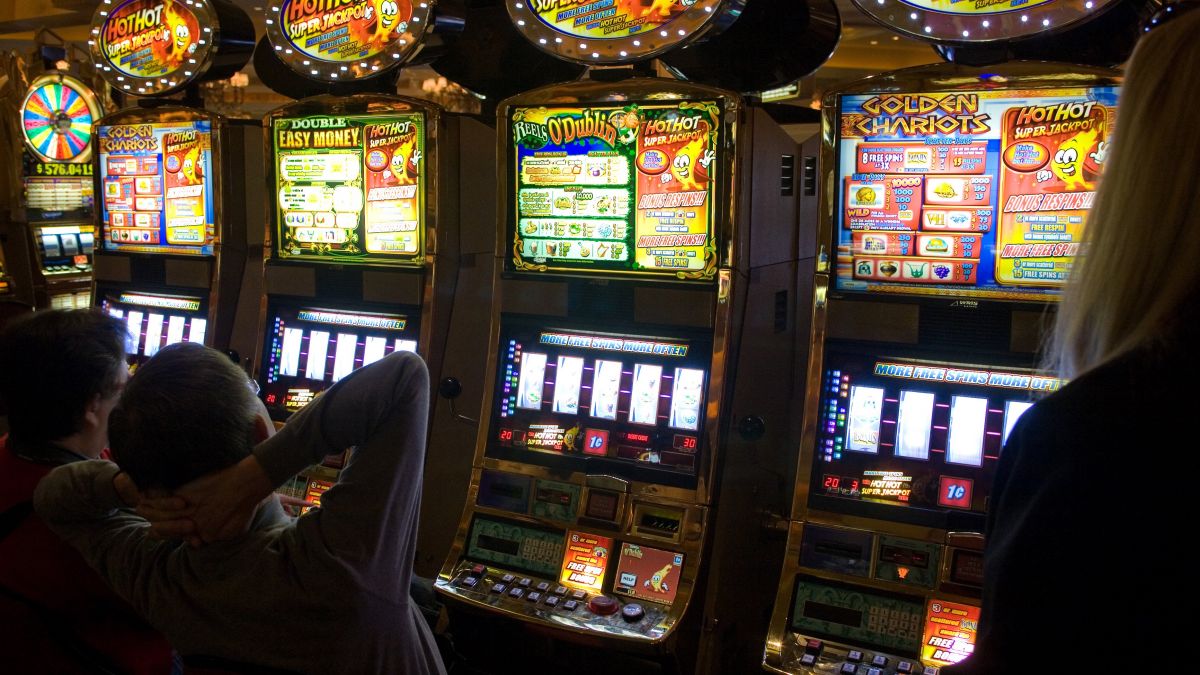
As cultural attitudes toward gambling continue to evolve globally, it is essential to foster a responsible approach to gambling practices. Websites dedicated to promoting responsible gambling provide valuable resources, educating players on the potential risks and consequences associated with gambling. These platforms advocate for informed decision-making and encourage safe gambling environments.
By understanding cultural factors and their influence on attitudes toward gambling, players can make more informed choices. Responsible gambling websites are committed to creating a balanced perspective, allowing individuals to enjoy gaming while minimizing the risks involved. This commitment to education and awareness is crucial in shaping positive gambling experiences around the world.